If some rooms never feel warm, your heating bills jump every January, or icicles and ice dams line your roof every winter, your home is probably leaking heat. In a climate like Syracuse's, that adds up to real money and real discomfort, month after month.
Syracuse Construction offers home energy improvements in Syracuse and Central New York, including insulation, air sealing and high-efficiency systems. Here's where heat escapes and how to stop it.
- Signs your home is losing heat
- Why ice dams happen
- Where the leaks are
- Air seal first, then insulate
- Basements and rim joists
- Ventilation and safety
- Incentives in 2026
- Frequently asked questions
Signs Your Home Is Losing Heat
- Cold, drafty rooms, especially over garages or in additions
- High heating bills compared with similar homes
- Icicles and ice dams along the roof edge
- Snow melting off your roof faster than your neighbors'
- Cold floors above basements and crawlspaces
- Frost or condensation in the attic
Why Ice Dams Happen
Ice dams are a classic Central New York problem. Warm air leaks from the living space into the attic and heats the roof deck. Snow on the roof melts, runs down to the cold eaves and refreezes. The ice builds into a dam, and water backs up behind it, under the shingles and into ceilings and walls. Raking the roof and heat cables treat the symptom. Air sealing the attic floor, adding insulation and making sure the attic is properly ventilated treat the cause.
Where the Leaks Are
NYSERDA points to common leak spots like window frames, outlets and switches, exterior door frames, and pull-down attic stairs and attic entrances. In many Syracuse homes, the biggest leaks are hidden:
- Attic floor: gaps around light fixtures, wiring, plumbing vents and chimney chases
- Rim joists where the house sits on the foundation
- Knee walls in Cape Cods and finished attics
- Older additions and porches enclosed without proper insulation
Start with an assessment: NYSERDA recommends a whole-home energy assessment by a professional. Tools like a blower door test and an infrared camera show exactly where your home is leaking, so money goes where it matters.
Air Seal First, Then Insulate
Insulation slows heat moving through walls and ceilings, but most insulation doesn't stop air. Warm air slips right through gaps and carries heat with it. That's why the right order is:
- Seal the leaks in the attic floor, rim joists and around penetrations.
- Insulate the attic, walls and basement to the right depth.
- Ventilate the attic and the home properly.
- Then upgrade heating and cooling. NYSERDA notes that a well-sealed, insulated home may need a smaller, lower-cost heat pump or system.
Basements and Rim Joists
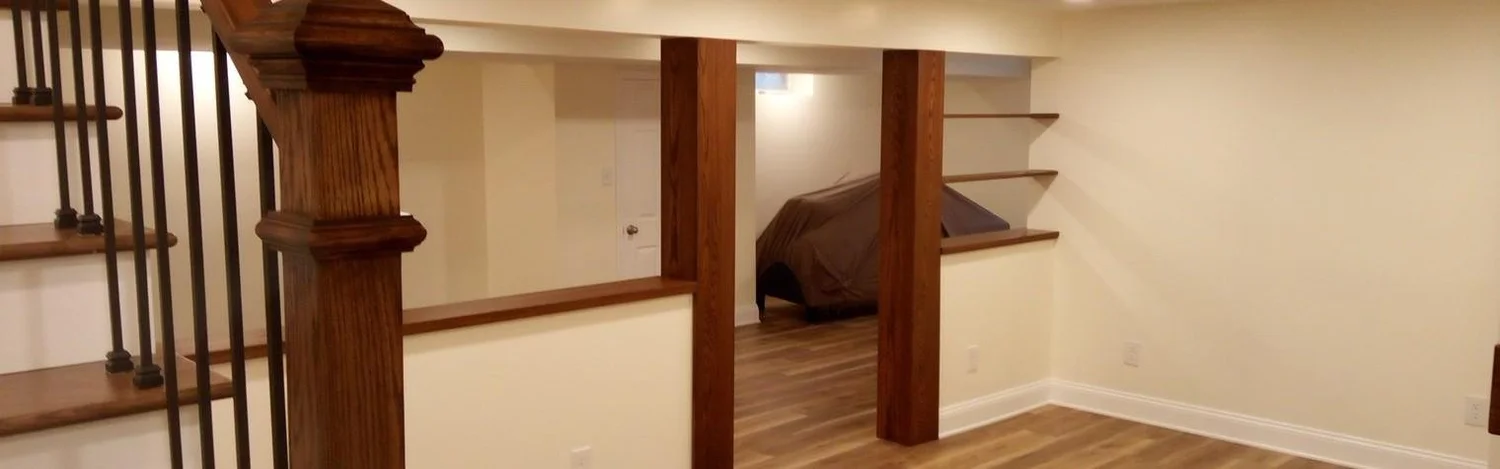
Cold floors and drafty first floors often start in the basement. Insulating and sealing rim joists and foundation walls keeps the basement warmer and the floors above more comfortable. If you're planning to finish your basement, it's the perfect time to get the insulation right, with proper moisture control.
Ventilation and Safety
- Bathroom and kitchen fans should vent outdoors, not into the attic.
- Fuel-burning appliances should be checked for safe venting after air sealing.
- Carbon monoxide alarms are required in New York homes with fuel-burning appliances.
- Older homes: disturbing old painted surfaces in pre-1978 homes requires lead-safe practices. Our team includes a Certified Lead Paint Renovator. Read more about renovating older Syracuse homes.
Incentives in 2026
- NYSERDA Comfort Home: incentives for seal-and-insulate packages and high-performance windows installed by a qualified contractor.
- NYSERDA EmPower+: no- and low-cost efficiency improvements for income-eligible households.
- No-cost home energy assessments: Regional Clean Energy Hubs can help you apply.
- Federal tax credit: the 25C Energy Efficient Home Improvement Credit ended on December 31, 2025, so it no longer applies.
Programs and eligibility change, and some incentives require a participating contractor, so check NYSERDA's seal and insulate page before you start.
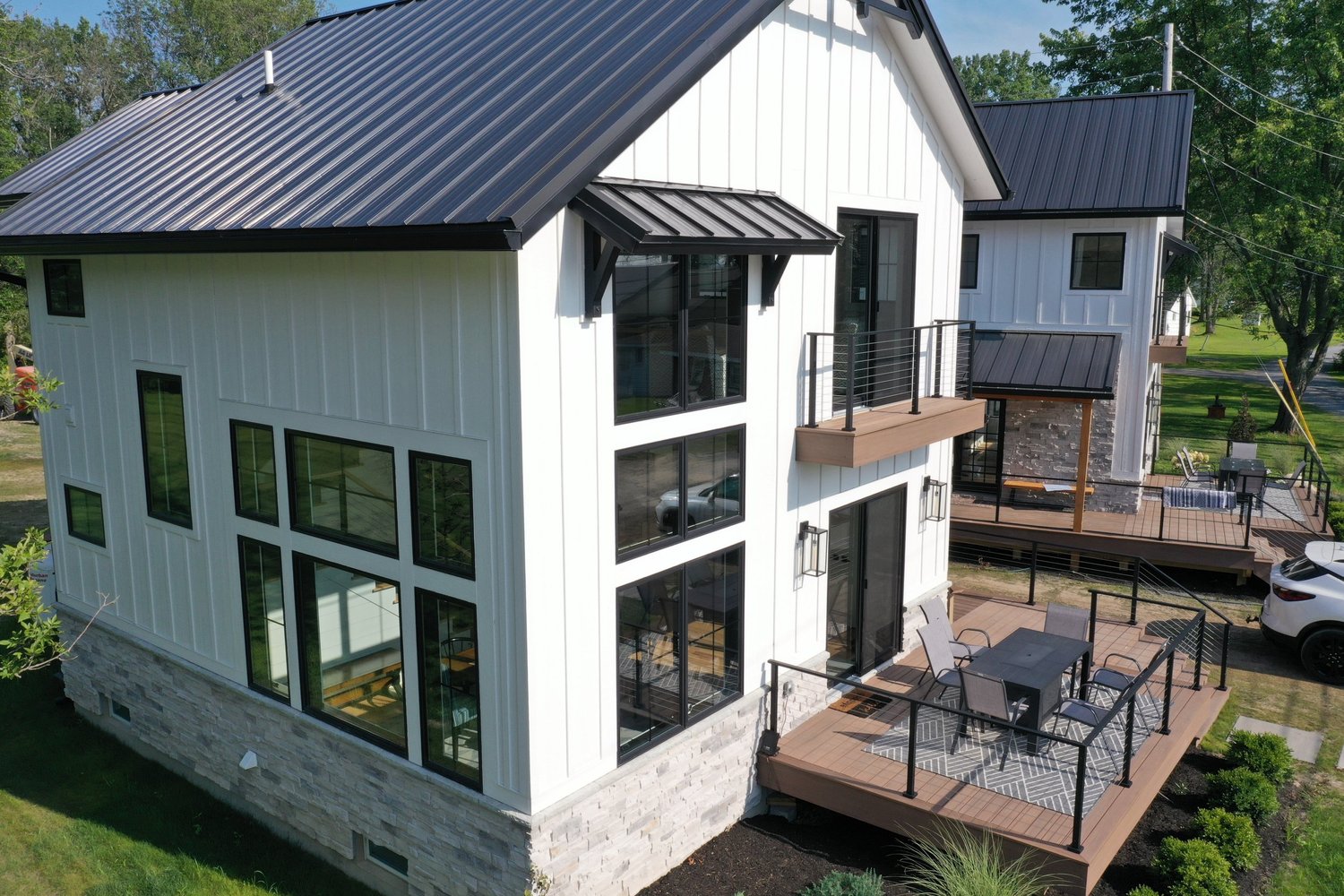
Planning a remodel or addition? It's the best time to improve insulation, because walls and ceilings are already open. See our whole-house renovation guide.
Frequently Asked Questions
What causes ice dams on Syracuse roofs?
Ice dams form when heat leaks from the house into the attic, warming the roof and melting snow. The water runs down to the cold roof edge and refreezes, building a dam of ice that can push water under shingles. Air sealing the attic floor, adding insulation and proper attic ventilation are the long-term fix.
Should I air seal or insulate first?
Air seal first. Insulation slows heat flow, but it doesn't stop air leaks. Sealing gaps in the attic floor, rim joists and around penetrations before adding insulation gets far better results.
Is there financial help for insulation in New York?
NYSERDA's Comfort Home program offers incentives for seal-and-insulate packages installed by a qualified contractor, and EmPower+ helps income-eligible households. Regional Clean Energy Hubs can help you apply for a no-cost home energy assessment. Check nyserda.ny.gov for current details and eligibility.
Is the federal tax credit for insulation still available?
No. The federal Energy Efficient Home Improvement Credit (25C) ended on December 31, 2025 under the One Big Beautiful Bill Act, so it doesn't apply to work done in 2026.
Can a house be too tight?
A tighter house is more comfortable and efficient, but it needs proper ventilation, and fuel-burning appliances should be checked for safe venting after air sealing. Carbon monoxide alarms are required in New York homes with fuel-burning appliances.
Related Services
Make Your Home Warmer This Winter
Insulation, air sealing and high-efficiency upgrades for Central NY homes. Request a free consultation.
Request a Free ConsultationOr call 315-751-0540