Syracuse is full of beautiful older homes: solid Colonials, Craftsman bungalows, Victorians and post-war Capes with real plaster walls and old-growth wood trim. They have character you can't buy new. They also have surprises waiting behind the walls.
According to NeighborhoodScout, about 43% of homes in Syracuse were built before 1940, and roughly three out of four before 1970. If you're planning to renovate an older home in Syracuse, here's what to expect and how to plan for it.
- Lead paint and lead-safe renovation
- Asbestos
- Wiring and electrical
- Plumbing
- Plaster, framing and floors
- Insulation and air sealing
- Moisture and foundations
- How to plan and budget
- Frequently asked questions
Lead Paint and Lead-Safe Renovation
Homes built before 1978 may contain lead-based paint. Sanding, scraping or demolishing painted surfaces can create lead dust that is especially dangerous for young children and pregnant women.
- Under the EPA's Renovation, Repair and Painting (RRP) Rule, contractors paid to disturb more than 6 square feet of paint inside or 20 square feet outside a pre-1978 home must be certified and follow lead-safe work practices.
- Before work starts, you should receive the EPA's Renovate Right pamphlet.
- Lead-safe work includes containment, dust control and thorough cleanup.
Syracuse Construction's team includes a Certified Lead Paint Renovator. If you own rental property, note that since 2020 the City of Syracuse has treated lead hazards in rental housing as a code violation.
Asbestos
Homes built before the 1980s may contain asbestos in materials like pipe and boiler insulation, some floor tiles, ceiling textures and siding. These materials should be tested by a licensed professional before they're disturbed, and removed or encapsulated properly if needed.
Wiring and Electrical
Older homes may have knob-and-tube wiring, ungrounded two-prong outlets, too few circuits or an undersized electrical service for modern kitchens, appliances and EV chargers. Renovation is the best time to update wiring, because the walls are already open.
Plumbing
Galvanized steel supply pipes corrode from the inside, reducing water pressure, and old cast-iron drains can crack. When you remodel a kitchen or bathroom in an older home, replacing aging supply and drain lines in the work area is usually a smart investment.
Plaster, Framing and Floors
- Plaster and lath: durable and sound-deadening, but cracked or damaged plaster may need repair or replacement with drywall.
- Framing: older framing may be out of level, undersized for today's loads, or altered by past remodels. Removing walls requires a proper beam and support.
- Floors: original hardwood can often be refinished; sloping floors may need structural attention.
Insulation and Air Sealing
Many older homes have little or no insulation in the walls and plenty of air leaks around windows, attics and rim joists. Adding insulation and air sealing during a renovation can make a drafty older home far more comfortable through a Syracuse winter and lower heating bills. We offer home energy improvements including insulation and air sealing.
Moisture and Foundations
Stone and block foundations, older gutters and poor grading can let water into basements. Fix water problems before finishing a basement or investing in finishes upstairs. Read our guide to basement finishing.
How to Plan and Budget
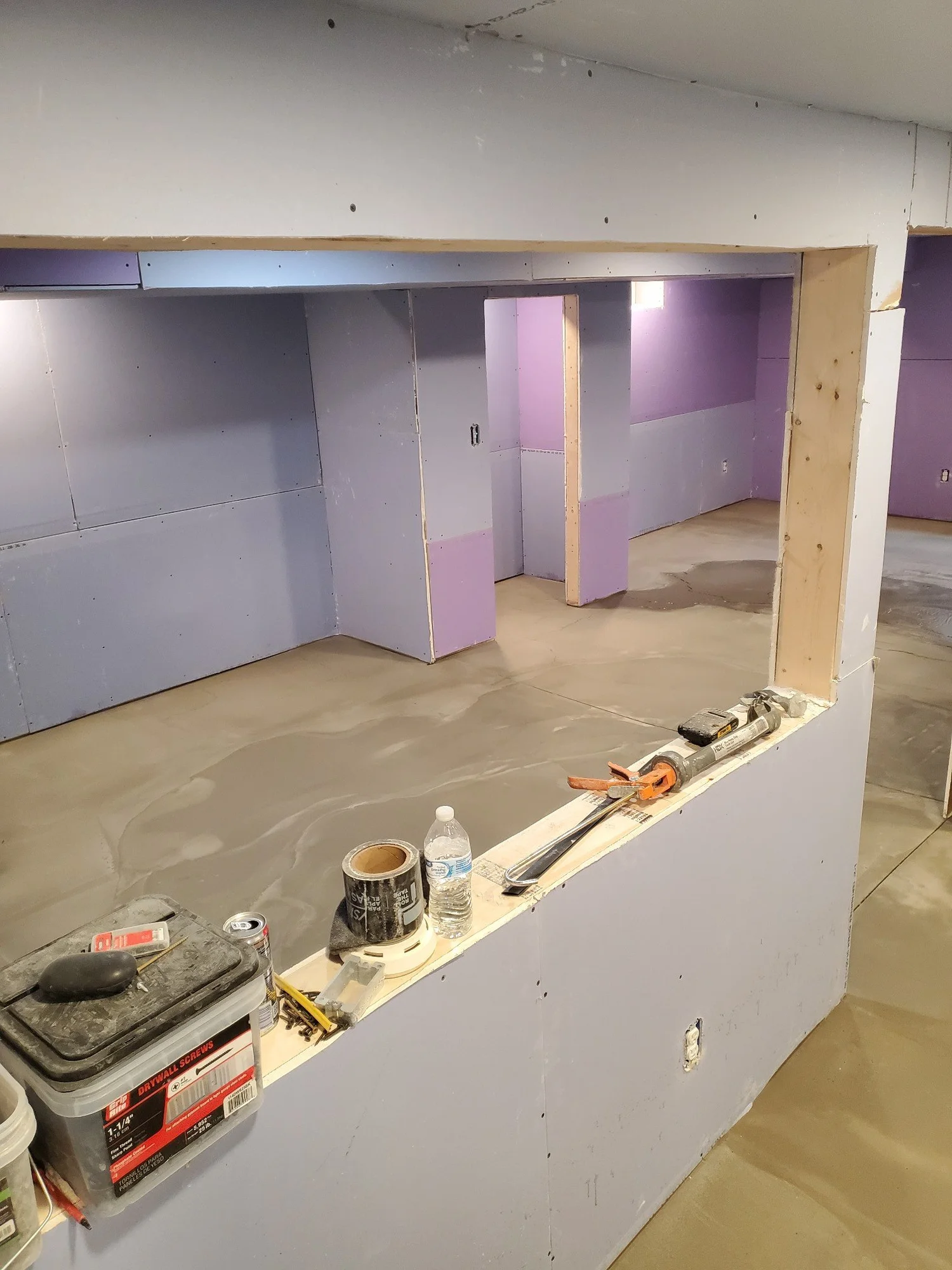
- Investigate early: a walkthrough with your contractor, and testing for lead or asbestos where needed.
- Prioritize: structure and water first, then electrical, plumbing and heating, then insulation and windows, then finishes.
- Set a contingency: many homeowners set aside 10 to 20 percent for surprises.
- Plan in phases if needed, so each phase doesn't undo the last.
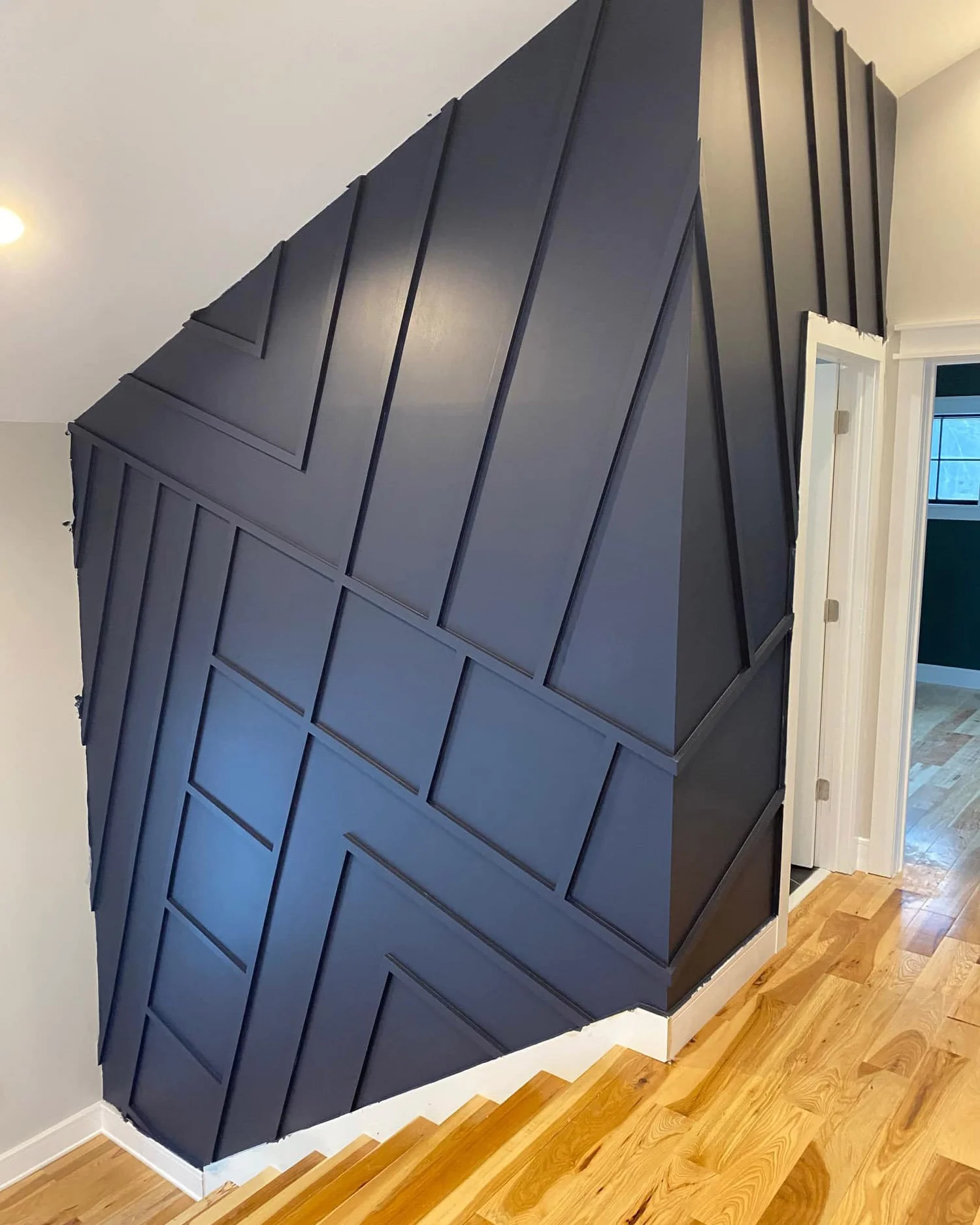
- Protect the character: decide early which original details to keep, restore or match.
Keep what makes it special: Original staircases, trim and built-ins are hard to replace. A good renovation updates the systems and layout while preserving the details that drew you to the house.
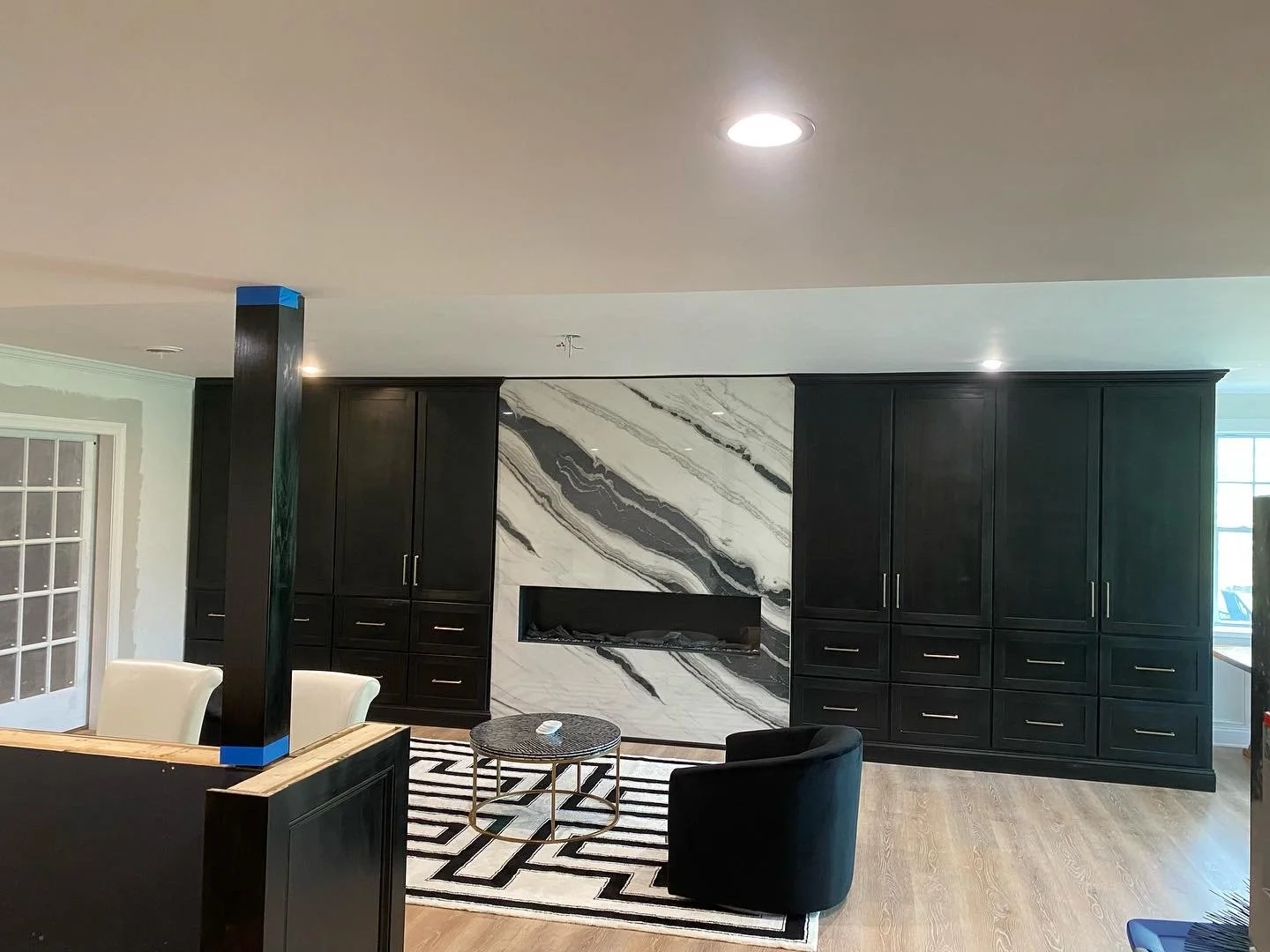
Our project managers coordinate every trade from investigation to final finishes. See our project management approach, our interior projects, and our guide to whole-house renovation.
Frequently Asked Questions
How old are most homes in Syracuse?
Syracuse has one of the older housing stocks in the country. According to NeighborhoodScout, about 43% of the city's homes were built before 1940, and roughly three out of four were built before 1970.
Do I need a lead-safe contractor to renovate my older home?
For homes built before 1978, federal EPA rules require renovators who are paid to do work that disturbs more than 6 square feet of painted surface inside, or more than 20 square feet outside, to be certified and follow lead-safe work practices. Our team includes a Certified Lead Paint Renovator.
Should I budget extra when renovating an older home?
Yes. Older homes often hide surprises behind walls and under floors, so many homeowners set aside a contingency, often 10 to 20 percent of the project budget. Investigating early helps reduce surprises.
Can you keep the character of my older home?
Yes. We can preserve original woodwork, staircases and built-ins while updating wiring, plumbing, insulation, kitchens and bathrooms, so the home works like new without losing what makes it special.
What should I fix first in an older home?
Generally: structure and water problems first, then systems like electrical, plumbing and heating, then insulation and windows, and finally finishes. Doing it in this order avoids tearing out new work later.
Related Services
Renovate Your Older Home the Right Way
Lead-safe, code-compliant renovations that respect your home's character. Request a free consultation.
Request a Free ConsultationOr call 315-751-0540